7 Chapter 7 – Organizational Structure, Change and Culture

Exhibit 7.1 (Credit: GLady/ Pixabay/ (CC BY 0))
Introduction
Learning Objectives
After reading this chapter, you should be able to answer these questions:
- What are the forms and purpose of organic organizational structures?
- What are the most commonly used format structures?
- How does Culture impact the organization?
- What are the fundamental dimensions of change?
- How do managers deal with change?
Exploring Managerial Careers
Jackie Smith, CareSource University
Jackie Smith is a human resources, training and organizational development professional with more than 20 years of experience. She has worked in a variety of organizations and industries in both the for-profit and not-for-profit sectors.
Jackie is vice president of CareSource University at CareSource, a Medicaid managed care organization. She oversees CareSource University as well as the company’s performance management, succession, and goal-setting processes. In 2017 CSU delivered more than 240,000 learning hours, coached 300 leaders, and onboarded 1,100 new hires. CareSource University has been nationally recognized for seven years as one of Training magazine’s Top 125 training organizations, ranking in the top 19 for six years. In 2017, CSU was named to the global Learning Elite, ranking 18th among worldwide organizations. Prior to CareSource, Jackie was president of Reflections on Learning, a performance-consulting firm, and worked as a senior organizational development consultant, regional human resources manager, training specialist, and manager in the financial services, retail, and transportation industries.
Jackie’s instructional focus has been in the area of leadership development, designing programs including:
Developing Your Leadership Vision
Leading through Extraordinary Change
Transforming Team Performance through Dialogue
Building Sustainable Strategy with Appreciative Inquiry
Her educational background includes a BS in education from Miami University, Ohio and Luxembourg and an MS in organizational development and leadership from St. Joseph’s University in Philadelphia. In addition, she has served as an adjunct faculty member at Antioch McGregor University and is a certified facilitator in a variety of training and development programs, organizational assessments, and Myers-Briggs profiling. She also serves as a team leader facilitating business strategy sessions in countries around the world including Ecuador, Jordan, Guinea, and Senegal.
This chapter will cover several concepts that deal with how leaders develop and shape organizations. An understanding of the concepts in this chapter is essential for leaders who need to pull people together to accomplish the essential work of a business in a consistent process over time. We will address the essential ideas.
7.1 Organizational Structures and Design
- What are mechanistic versus organic organizational structures?
First, an organizational structure is a system for accomplishing and connecting the activities that occur within a work organization. People rely on structures to know what work they should do, how their work supports or relies on other employees, and how these work activities fulfill the purpose of the organization itself.
Second, organizational design is the process of setting up organizational structures to address the needs of an organization and account for the complexity involved in accomplishing business objectives.
Next, organizational change refers to the constant shifts that occur within an organizational system—for example, as people enter or leave the organization, market conditions shift, supply sources change, or adaptations are introduced in the processes for accomplishing work. Through managed change, leaders in an organization can intentionally shape how these shifts occur over time.
Finally, organizational development (OD) is the label for a field that specializes in change management. OD specialists draw on social science to guide change processes that simultaneously help a business achieve its objectives while generating well-being for employees and sustainable benefits for society. An understanding of OD practices is essential for leaders who want to maximize the potential of their organizations over a long period of time.
Together, an understanding of these concepts can help managers know how to create and direct organizations that are positioned to successfully accomplish strategic goals and objectives.1
To understand the role of organizational structure, consider the experience of Justin, a young manager who worked for a logistics and transportation company. Their success at leading change in the United States gave their leaders the confidence that Justin could handle a challenging assignment: organize a new supply chain and distribution system for a company in Northern Europe. Almost overnight, Justin was responsible for hiring competent people, forming them into a coherent organization, training them, and establishing the needed infrastructure for sustained success in this new market.
If you were given this assignment, what would you do? How would you organize your employees? How would you help them understand the challenge of setting up a new organization and system? These are the kinds of questions that require an understanding of organizational structure, organizational design, organizational change, and organizational development.
One of the first issues Justin will need to address deals with how they will organize the system. “The decisions about the structure of an organization are all related to the concept of organizational design. There are two fundamental forms of structure to remember when designing an organization.
To address these questions, we need to be familiar with two fundamental ways of building an organization.
The formal organization is an officially defined set of relationships, responsibilities, and connections that exist across an organization. The traditional organizational chart, as illustrated in Exhibit 7.2, is perhaps the most common way of depicting the formal organization. The typical organization has a hierarchical form with clearly defined roles and responsibilities.
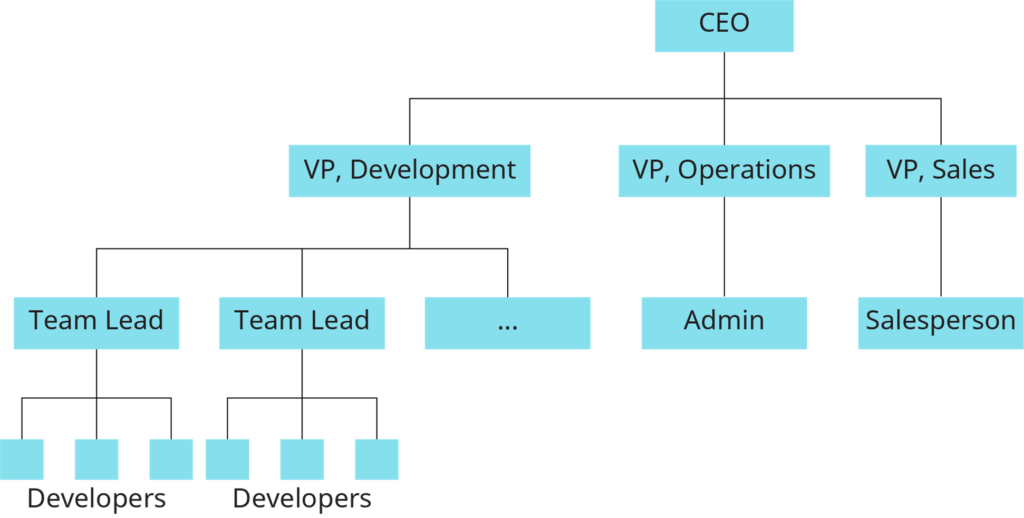
Exhibit 7.2 Formal Organizational Chart (Attribution: Copyright Rice University, OpenStax, under CC-BY 4.0 license)
When Justin sets up the formal organization, they will need to design the administrative responsibilities and communication structures that should function within an organizational system. The formal systems describe how flow of information and resources should occur within an organization. To establish the formal organization, they will identify the essential functions that need to be part of the system, and they will hire people to fill these functions. They will then need to help employees learn their functions and how these functions should relate to one another.
The informal organization is sometimes referred to as the invisible network of interpersonal relationships that shape how people actually connect with one another to carry out their activities. The informal organization is emergent, meaning that it is formed through the common conversations and relationships that often naturally occur as people interact with one another in their day-to-day relationships. It is usually complex, impossible to control, and has the potential to significantly influence an organization’s success.
As depicted in Exhibit 7.3, the informal organization can also be mapped, but it is usually very different than the formal organization. The chart you see in this example is called a network map, because it depicts the relationships that exist between different members of a system. Some members are more central than others, and the strength of relationships may vary between any two pairs or groups of individuals. These relationships are constantly in flux, as people interact with new individuals, current relationships evolve, and the organization itself changes over time.2
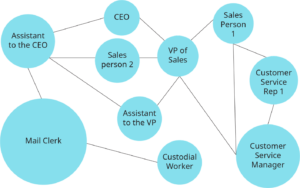
Exhibit 7.3 Informal Organizational Chart (Attribution: Copyright Rice University, OpenStax, under CC-BY 4.0 license)
The informal organization in Justin’s design will form as people begin interacting with one another to accomplish their work. As this occurs, people will begin connecting with one another as they make sense of their new roles and relationships. Usually, the informal organization closely mirrors the formal organization, but often it is different. People quickly learn who the key influencers are within the system, and they will begin to rely on these individuals to accomplish the work of the organization. The informal organization can either help or hinder an organization’s overall success.
In sum, the formal organization explains how an organization should function, while the informal organization is how the organizational actually functions. Formal organization will come as Justin hires and assigns people to different roles. They can influence the shape of the informal organization by giving people opportunities to build relationships as they work together. Both types of structures shape the patterns of influence, administration, and leadership that may occur through an organizational system.
As we continue our discussion of structure and design, we will next examine different ways of understanding formal structure.
Types of Formal Organizational Structures
Now, Justin will need to choose and implement an administrative system for delegating duties, establishing oversight, and reporting on performance. They will do this by designing a formal structure that defines the responsibilities and accountability that correspond to specific duties throughout an organizational system. In this section, we’ll discuss the factors that any manager should consider when designing an organizational structure.

Exhibit 7.4 Smoke coming out of chapel chimney Almost all organizations have established organizational hierarchies and customs. As an older, large organization, the Catholic Church has a tall global structure with the pope in the Vatican at the apex. A process of succession has the cardinals voting on a new pope, and white smoke billowing out of the Sistine Chapel signals that they have chosen the new pope. (Credit: Jeffrey Bruno/ flickr/ Attribution 2.0 Generic (CC BY 2.0))
Mechanistic versus Organic Structures
Structural design generally follows one of the two basic models described in Table 7.1: mechanistic or organic. A mechanistic organization is characterized by a relatively high degree of job specialization, rigid departmentalization, many layers of management (particularly middle management), narrow spans of control, centralized decision-making, and a long chain of command. This combination of elements results in what is called a tall organizational structure. The U.S. Army and the United Nations are typical mechanistic organizations.
In contrast, an organic organization is characterized by a relatively low degree of job specialization, loose departmentalization, few levels of management, wide spans of control, decentralized decision-making, and a short chain of command. This combination of elements results in what is called a flat organizational structure. Colleges and universities tend to have flat organizational structures, with only two or three levels of administration between the faculty and the president. Exhibit 7.5 shows examples of flat and tall organizational structures.
Factors Influencing the Choice between Mechanistic and Organic Structures
Although few organizations are purely mechanistic or purely organic, most organizations tend more toward one type or the other. The decision to create a more mechanistic or a more organic structural design is based on factors such as the firm’s overall strategy, the size of the organization, and the stability of its external environment, among others.
A company’s organizational structure should enable it to achieve its goals, and because setting corporate goals is part of a firm’s overall strategy-making process, it follows that a company’s structure depends on its strategy. That alignment can be challenging for struggling companies trying to accomplish multiple goals. For example, a company with an innovation strategy will need the flexibility and fluid movement of information that an organic organization provides. But a company using a cost-control strategy will require the efficiency and tight control of a mechanistic organization. Often, struggling companies try to simultaneously increase innovation and rein in costs, which can be organizational challenges for managers. Such is the case at Microsoft, where CEO Satya Nadella cut more than 18,000 jobs in 2014 after taking the helm at the technology giant. Most of the cuts were the result of the company’s failed acquisition of Nokia’s mobile phone business. More recently, the company eliminated additional jobs in sales and marketing (mostly overseas) as Microsoft shifts from a software developer to a cloud computing software delivery service. At the same time, Nadella is also trying to encourage employees and managers to break down barriers between divisions and increase the pace of innovation across the organization.14
|
Mechanistic versus Organic Structure |
||
|---|---|---|
|
Structural Characteristic |
Mechanistic |
Organic |
|
Job specialization |
High |
Low |
|
Departmentalization |
Rigid |
Loose |
|
Managerial hierarchy (levels of management) |
Tall (many levels) |
Flat (few levels) |
|
Span of control |
Narrow |
Wide |
|
Decision-making authority |
Centralized |
Decentralization |
|
Chain of command |
Long |
Short |
Table 7.1
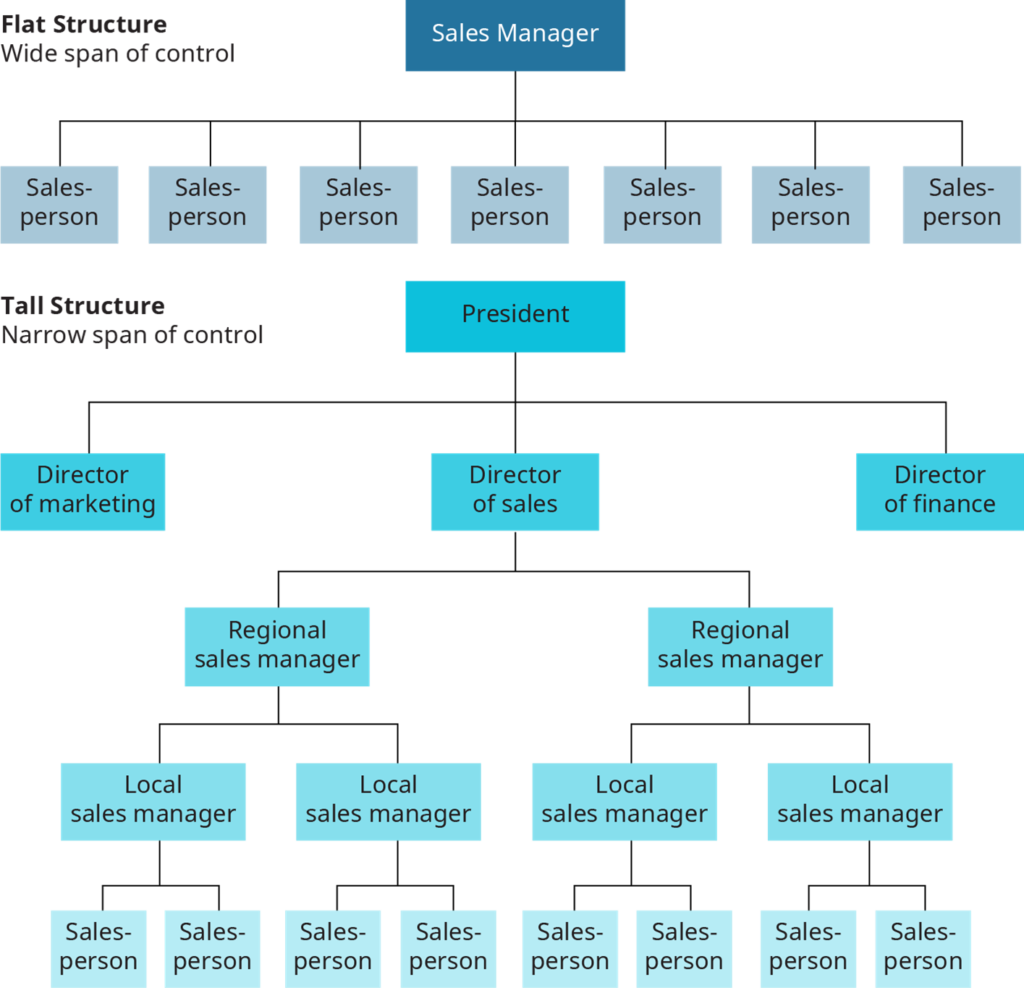
Exhibit 7.5 Flat versus Tall Organizational Structures (Attribution: Copyright Rice University, OpenStax, under CC BY 4.0 license.)
Size is another factor that affects how mechanistic or organic a company’s organizational structure is. Much research has been conducted that shows a company’s size has a significant impact on its organizational structure. Smaller companies tend to follow the more organic model, in part because they can. It’s much easier to be successful with decentralized decision-making, for example, if you have only 50 employees. A company with that few employees is also more likely, by virtue of its size, to have a lesser degree of employee specialization. That’s because, when there are fewer people to do the work, those people tend to know more about the entire process. As a company grows, it becomes more mechanistic, as systems are put in place to manage the greater number of employees. Procedures, rules, and regulations replace flexibility, innovation, and independence. That isn’t always the case, however. W. L. Gore has nearly 10,000 employees and more than $3 billion in annual revenues, but, as noted earlier, uses an extremely organic organizational structure. Employees have no bosses, participate on teams, and often create roles for themselves to fill functional gaps within the company.15
Lastly, the business in which a company operates has a significant impact on its organizational structure. In complex, dynamic, and unstable environments, companies need to organize for flexibility and agility. That is, their organizational structures need to respond to rapid and unexpected changes in the business environment. For companies operating in stable environments, however, the demands for flexibility and agility are not so great. The environment is predictable. In a simple, stable environment, therefore, companies benefit from the efficiencies created by a mechanistic organizational structure.
Span of Control
Each firm must decide how many managers are needed at each level of the management hierarchy to effectively supervise the work performed within organizational units. A manager’s span of control (sometimes called span of management) is the number of employees the manager directly supervises. It can be as narrow as two or three employees or as wide as 50 or more. In general, the larger the span of control, the more efficient the organization. As Table 7.2 shows, however, both narrow and wide spans of control have benefits and drawbacks.
|
Narrow and Wide Spans of Control |
||
|
|
Advantages |
Disadvantages |
|---|---|---|
|
Narrow span of control |
This approach allows a high degree of control. Fewer subordinates may mean the manager is more familiar with each individual. Close supervision can provide immediate feedback. |
More levels of management mean that it is more expensive. Decision-making is slower due to vertical layers. Top management are isolated. This approach discourages employee autonomy. |
|
Wide span of control |
Fewer levels of management means increased efficiency and reduced costs. Increased subordinate autonomy leads to quicker decision-making. This approach allows for greater organizational flexibility. This approach creates higher levels of job satisfaction due to employee empowerment. |
This approach allows for less control. Managers may lack familiarity with their subordinates due to the large number. Managers can be spread so thin that they can’t provide necessary leadership or support. There may be a lack of coordination or synchronization. |
Table 7.2
If hundreds of employees perform the same job, one supervisor may be able to manage a very large number of employees. Such might be the case at a clothing plant, where hundreds of sewing machine operators work from identical patterns. But if employees perform complex and dissimilar tasks, a manager can effectively supervise only a much smaller number. For instance, a supervisor in the research and development area of a pharmaceutical company might oversee just a few research chemists due to the highly complex nature of their jobs.
Line-and-Staff Organization
The line organization is designed with direct, clear lines of authority and communication flowing from the top managers downward. Managers have direct control over all activities, including administrative duties. An organization chart for this type of structure would show that all positions in the firm are directly connected via an imaginary line extending from the highest position in the organization to the lowest (where production of goods and services takes place). This structure, with its simple design and broad managerial control, is often well-suited to small, entrepreneurial firms.
As an organization grows and becomes more complex, the line organization can be enhanced by adding staff positions to the design. Staff positions provide specialized advisory and support services to line managers in the line-and-staff organization, shown in Exhibit 7.6. In daily operations, individuals in line positions are directly involved in the processes used to create goods and services. Individuals in staff positions provide the administrative and support services that line employees need to achieve the firm’s goals. Line positions in organizations are typically in areas such as production, marketing, and finance. Staff positions are found in areas such as legal counseling, managerial consulting, public relations, and human resource management.
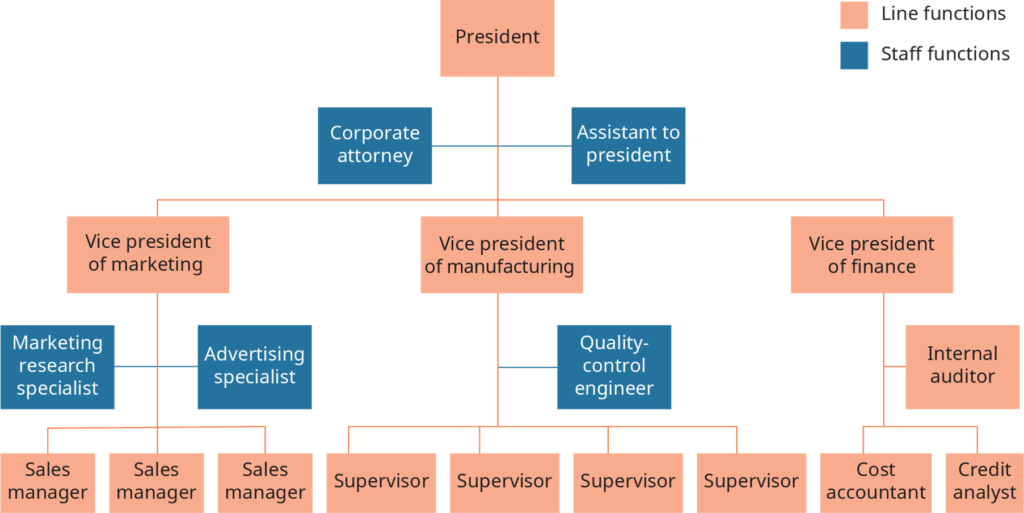
Exhibit 7.6 Line-and-Staff Organization (Attribution: Copyright Rice University, OpenStax, under CC BY 4.0 license.)
7.2 Common Organizational Structures
Aside from the considerations outlined above, organizations will often set structures according to the needs of the organization. A need refers to a feature of the organization or its environment that is necessary for organizational success. A business structure is designed to address these organizational needs.
A small business will most likely organize as a Simple Structure. Small businesses don’t often have many levels and layers of management and employees. It’s often the owner/operator who is making all of the decisions. They are the top, middle and first line managers.
As businesses grow, the need for more formalized organizational structure takes hold. This often means Departmentalization.
Departmentalization
Based on an organization’s application of the common elements—common purpose, coordinated effort, division of labor, hierarchy of authority, as well as centralization/decentralization and formalization—the resulting structure will typically exhibit one of four broad departmental structures: functional, product, customer, and geographic.
There are three traditional approaches to departmentalized formal structure: Functions, Divisional (Geography, Product and Customer) and the Matrix Structure. Let’s explore each here.
Functional Structure
A functional structure of the organization groups people together who perform similar tasks. This results in a department style structure whereby all human resource personal work together and report to a manager, all operations personnel work together and report to a manager, the different roles within marketing all work together and report to a manager, and so forth.
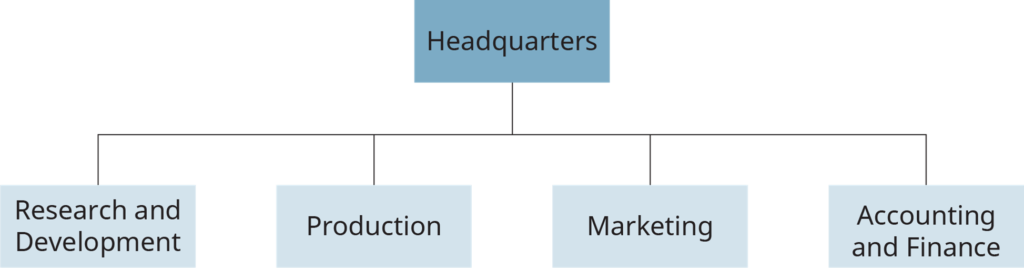
Exhibit 7.7 Functional Structure (Attribution: Copyright Rice University, OpenStax, under CC-BY 4.0 license)
The functional structure comes with a few advantages. Lines of communication are clear to understand and they are simple. If there is an HR problem, you go to the HR manager. If there is a question about the financial statements, you go to accounting. Performance standards are better maintained and easier to identify. If all of the salesmen are working together, there is a relatively quick basis for comparison between them. Additionally, any mistakes and successes can be learned from and benefit all of the members of that functional area of the business. The downside to a functional structure is that it often leads to compartmentalization of decisions. Functional managers fight for the resources their department would garner from a particular course of action. This often means they do not act in the best interest of the overall organization, but rather how it will advance their department.
Divisional Structures
The divisional structure of the organization is one that groups units within the organization around geographic location, products, or customer types. An organization with a divisional structure will have many units that contain within them all of the functional areas of the business. For example, an organization might have a divisional structure that has a Northwest Division, a West Division, and a Midwest Division. Each of these divisions would have within their groups an HR group, a sales group, an accounting team, and so forth.
- Geographic Segmentation – organizations are set up to deliver a range of products within a geographic area or region. Here, the business is set up based on a territory or region. Managers of a particular unit oversee all of the operations of the business for that geographical area.
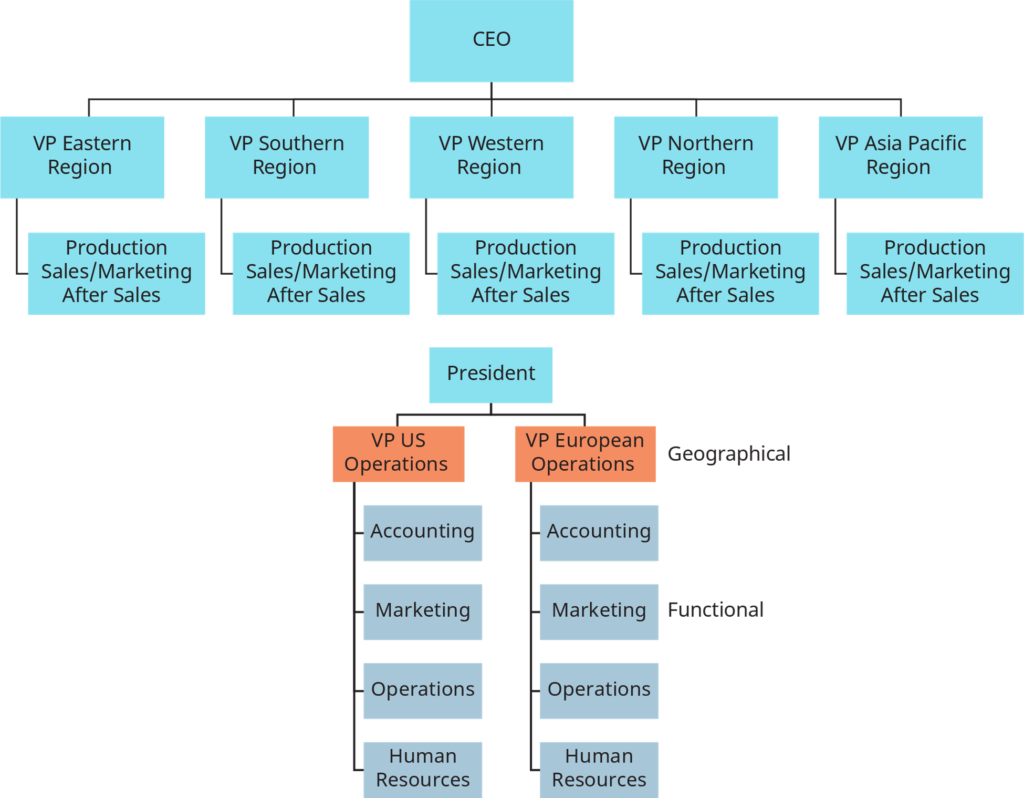
Exhibit 7.8 Geographic Structure (Attribution: Copyright Rice University, OpenStax, under CC-BY 4.0 license)
- Product Segmentation – Product structures exist where the business organizes its employees according to product lines or lines of business. An automobile manufacturer might have divisions for SUV’s, trucks, and passenger vans. In this scenario, each of those divisions would have all of the functional areas of business contained within them. Employees in a consulting firm might be organized around a particular kind of practice that they work in or support. Where a functional structure exists, employees become highly attuned to their own line of business or their own product. This is a top choice for diversified companies.
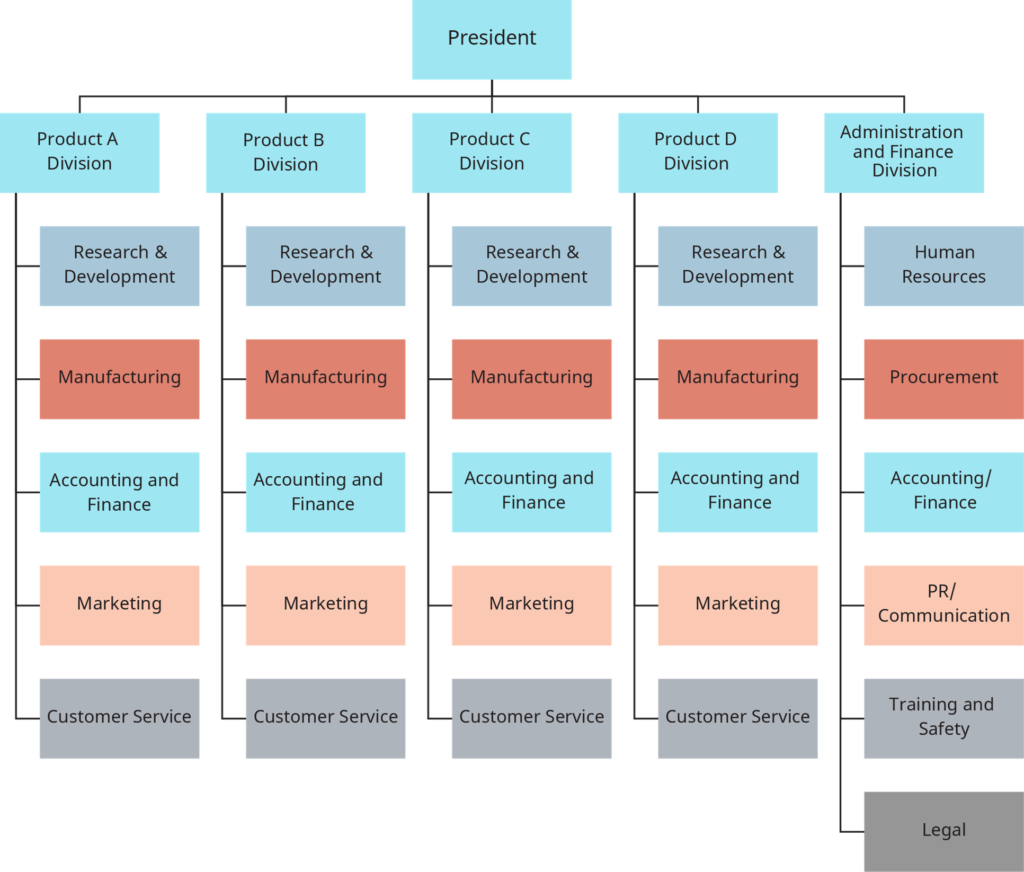
Exhibit 7.9 Divisional Organization Structure (Attribution: Copyright Rice University, OpenStax, under CC-BY 4.0 license)
- Customer Segmentation – Customer segmentation exists for companies who deal with unique and distinct customer segments. Many retailers have wholesale customers and end-use customers that consume their products. They might choose to create divisions based on these two types of customers.
The advantage of this structure is that it allows for each division to better understand the products they are creating as it relates to the consumer preferences. In the geographic breakdown, the manager of the Northwest Division would have an in-depth understanding of the logistics, challenges, and market conditions of his region. This allows for efficiency in delivery of goods, and customization of the products brought to that market. What works in one region might not work for another, and this flexibility allows for better focus on the market. The downside to this structure is that there could be duplication of resources. An accounting team in one region might be sufficient to meet the needs of that group, but could have excess capacity that would better be used in another region. The divisional structure does not easily allow for that capacity to be shared with other divisions. In the same manner that a functional structure leads to managers fighting for their own groups, division structure can lead to that same isolation of groups. Managers will make decisions often times in the best interest of their division, which may sacrifice the best interests of the overall organization. We will see later in the leading function how this might be overcome.
Matrix Structure
The matrix structure (also called the project management approach) is sometimes used in conjunction with the traditional line-and-staff structure in an organization. Essentially, this structure combines two different forms of departmentalization, functional and product, that have complementary strengths and weaknesses. The matrix structure brings together people from different functional areas of the organization (such as manufacturing, finance, and marketing) to work on a special project. Each employee has two direct supervisors: the line manager from her or his specific functional area and the project manager. Exhibit 7.10 shows a matrix organization with four special project groups (A, B, C, D), each with its own project manager. Because of the dual chain of command, the matrix structure presents some unique challenges for both managers and subordinates.
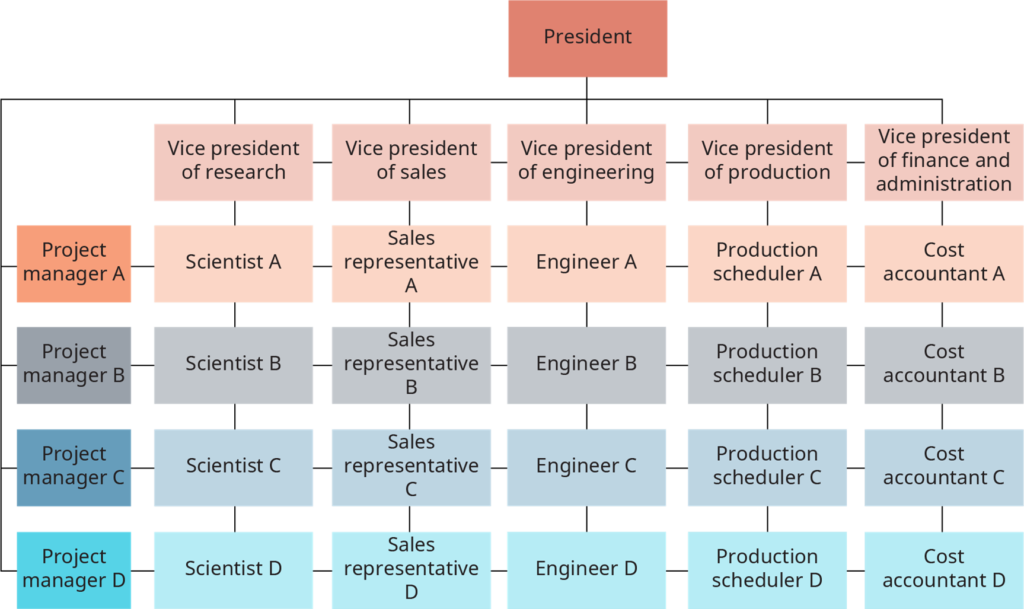
Exhibit 7.10 Matrix Organization (Attribution: Copyright Rice University, OpenStax, under CC BY 4.0 license.)
Advantages of the matrix structure include:
Teamwork. By pooling the skills and abilities of various specialists, the company can increase creativity and innovation and tackle more complex tasks.
Efficient use of resources. Project managers use only the specialized staff they need to get the job done, instead of building large groups of underused personnel.
Flexibility. The project structure is flexible and can adapt quickly to changes in the environment; the group can be disbanded quickly when it is no longer needed.
Ability to balance conflicting objectives. The customer wants a quality product and predictable costs. The organization wants high profits and the development of technical capability for the future. These competing goals serve as a focal point for directing activities and overcoming conflict. The marketing representative can represent the customer, the finance representative can advocate high profits, and the engineers can push for technical capabilities.
Higher performance. Employees working on special project teams may experience increased feelings of ownership, commitment, and motivation.
Opportunities for personal and professional development. The project structure gives individuals the opportunity to develop and strengthen technical and interpersonal skills.
Disadvantages of the matrix structure include:
Power struggles. Functional and product managers may have different goals and management styles.
Confusion among team members. Reporting relationships and job responsibilities may be unclear.
Lack of cohesiveness. Team members from different functional areas may have difficulty communicating effectively and working together as a team.
Although project-based matrix organizations can improve a company’s flexibility and teamwork, some companies are trying to unravel complex matrix structures that create limited accountability and complicate day-to-day operations. Some CEOs and other top managers suggest that matrix structures make it easier to blame others when things don’t go as planned.7
In the Matrix structure, employees inherently have two bosses, so coordination among managers is key!
Contemporary Structures
Team-based Structures, Networks, and Modular Organizations
The reality is that if an organization is successful enough to survive and grow, it will eventually need some form of integration. Poor communication between siloed departments often leads to a crisis that inspires efforts to integrate—efforts such as teams, networks, and modular structures.
Team-based Structure
Over the last several decades, team-based structures of some variation have become common in almost every industry. Lockheed Martin Aircraft Corporation started its “Skunk Works” project in 1943 in response to the U.S. Army’s need for a jet fighter. Based on a handshake, a small team of engineers worked secretly in a tent to design and build the XP-80 Shooting Star Jet Fighter in 143 days—seven days less than was required. The level of secrecy needed for this type of a project team is extremely rare in most organizations, yet it did spawn the modern-day project team.
Project teams are focused on a few objectives and usually disbanded at a project’s end. Similar to the Skunk Works® model, this team may locate in a designated room or building with the intention to increase communication and collaboration and minimize distractions. Although project teams are less hierarchical, they typically still include a manager.
In general, a team is made up of people with complementary skills who are working toward a common purpose. Organizations create teams by grouping employees in a way that generates a variety of expertise and addresses a specific operational component of the organization. Teams that include members from different functions are known as cross-functional teams. Because of the success of early project teams, the belief is that a team will be a more creative and productive structure to face new challenges. It is important to remember, however, that every team is a group but not every group is a team. A team structure must be less hierarchical, share the leadership, and be more fluid than traditional structures (such as functional or divisional). True teams do not disband after a project. Rather, they continue to change and adapt to fulfill group and organizational objectives over several years.
Zappos has embraced this model and labeled it holacracy. Rather than relying on a traditional top-down hierarchical management structure, holacracy attempts to achieve control and coordination by distributing power and authority to self-organizing groups (so-called circles) of employees. Circles of employees are meant to self organize and own a specific task, such as confirming online orders or authorizing a customer’s credit card. Order is supposed to emerge from the bottom up, rather than rely on top-down command and control as in traditional organizational structures. Rules are explicit in a so-called constitution, which defines the power and authority of each circle. For coordination, the employee circles overlap horizontally and without vertical hierarchy. Once the teams are in place, the CEO effectively relinquishes all executive powers.
Network Structure or Virtual Corporation
The newest, and most divergent, team structure is commonly known as a network structure. A network structure has little bureaucracy and features decentralized decision making. Managers coordinate and control relations both internal and external to the firm. A social structure of interactions is fostered to build and manage formal and informal relationships. The goal of this structure is to achieve rapid organizational evolution and adaptation to constantly changing external and internal environments.
One of the biggest challenges for companies today is adapting to the technological changes that are affecting all industries. Organizations are struggling to find new organizational structures that will help them transform information technology into a competitive advantage. One alternative that is becoming increasingly prevalent is the virtual corporation, which is a network of independent companies (suppliers, customers, even competitors) linked by information technology to share skills, costs, and access to one another’s markets. This network structure allows companies to come together quickly to exploit rapidly changing opportunities. The key attributes of a virtual corporation are:
Technology. Information technology helps geographically distant companies form alliances and work together.
Opportunism. Alliances are less permanent, less formal, and more opportunistic than in traditional partnerships.
Excellence. Each partner brings its core competencies to the alliance, so it is possible to create an organization with higher quality in every functional area and increase competitive advantage.
Trust. The network structure makes companies more reliant on each other and forces them to strengthen relationships with partners.
No borders. This structure expands the traditional boundaries of an organization.
Although firms that are purely virtual organizations are still relatively scarce, many companies are embracing several characteristics of the virtual structure. One example is Cisco Systems. Cisco uses many manufacturing plants to produce its products, but the company owns none of them. In fact, Cisco now relies on contract manufacturers for all of its manufacturing needs. Human hands probably touch fewer than 10 percent of all customer orders, with fewer than half of all orders processed by a Cisco employee. To the average customer, the interdependency of Cisco’s suppliers and inventory systems makes it look like one huge, seamless company.
In a Network structure, you focus on your core competencies and allow others to do the same.
Concept Check
- What is an organizational structure?
- What are different types of organizational structures?
- What is organizational design?
- What concepts should guide decisions about how to design structures?
7.3 Organizational Culture
Organizational culture is a term that can relate to any organization at all, from a church to a university. When talking about the culture of a business, you’ll often hear the term “corporate culture.” Corporate culture is, according to INC Magazine:
the shared values, attitudes, standards, and beliefs that characterize members of an organization and define its nature. Corporate culture is rooted in an organization’s goals, strategies, structure, and approaches to labor, customers, investors, and the greater community. As such, it is an essential component in any business’s ultimate success or failure. (Note: “Corporate Culture,” Inc. 2017. https://www.inc.com/encyclopedia/corporate-culture.html.)
Like families (or nations), corporations have cultures. Sometimes those cultures “just happen.” All too often, when corporate culture is not intentionally created, the culture winds up being disjointed or even antagonistic.
Employees are all working toward different goals, in different ways, with different approaches. For instance, although Bob is dedicated to the idea of crafting quality products, Suzanne is eager to sell as much product as possible (even if the quality is only so-so). Meanwhile, Brad thinks the company should start making a wider range of products and is trying to push his ideas forward during sales meetings.
The idea of corporate culture developed from our knowledge of national, regional, and family cultures, and many theories exist about what makes a good (or poor) corporate culture. To get an idea of what a corporate culture looks like, think about families you know well. Some are formal whereas others are easygoing. Some work together toward shared goals whereas others encourage individuality and independence. Some are always having fun whereas others seem to be in a permanent state of internal conflict. We can describe corporate cultures in similar ways.
Although some businesses give little thought to corporate culture, many successful companies have cultures that are intentionally created or tweaked. Sometimes corporate cultures are the result of a founder’s personal vision. But just as often, corporate cultures are created through a collaborative effort that involves not only upper management but also managers and employees.
What Does a Company Culture Look Like?
IBM
IBM’s founder Thomas Watson was one of the great developers of corporate culture. Based on a very different worldview than the one we have today, it encouraged morality, temperance, and consistency. Men who worked for IBM were expected to dress in a certain style (dark suits, white shirts) and behave conservatively. The “IBM Spirit” was even represented in corporate songs such as “Ever Onward” that employees were required to sing at gatherings and conventions.
The lyrics to “Ever Onward,” captured in a songbook from 1937, are a great way to understand the original culture of a company that became one of the truly great icons of American business. Watch the following video to hear the song and find out more about IBM’s early corporate culture: https://www.youtube.com/watch?v=YBpNzxz1XgU
One business that has revolutionized the way of work and its vision about it is Google. Google has become known as the company with endless perks for its valued employees. Some of these include coffee bars, free meals, lounge breaks, and even the option to bring your pet to work! Google has locations worldwide, and management embraces the idea that a happy employee leads to a productive workplace. The company’s long term success ties back to its corporate culture and values. Here’s a list of Google’s core values, around which it builds its corporate culture:
- We want to work with great people
- Technology innovation is our lifeblood
- Working at Google should be fun
- Be actively involved; you are Google
- Don’t take success for granted
- Do the right thing; don’t be evil
- Earn customer and user loyalty and respect every day
- Sustainable long-term growth and profitability are keys to our success
- Google cares about and supports the communities where we work and live
Corporate Culture as a Competitive Advantage
Why is it so important to have a strong, positive corporate culture? There are three good reasons:
- A strong culture helps employees, customers, and the general public to identify your corporate values. Say, for example, that your company culture values innovation. In that case, your employees will know that they will be encouraged to come up with new ideas—and your customers will know that your products and services are likely to have a creative or unique quality.
- Companies with strong, coherent cultures attract high-quality employees who believe in the same values as the corporation. Once those employees come on board, they start to feel that they “belong” because they are part of a shared culture. Employees who feel that their jobs are a great match for their personal values are more likely to be loyal to their employers. After all, they are doing what they enjoy doing for an organization that shares their ideals and goals.
- A strong corporate culture can help a corporation to build its brand. For example, Starbucks has built a culture and brand that includes very public dedication to international fair trade. Customers who care about fair trade are more likely to buy from—and stay loyal to—Starbucks.
7.4 Corporate Cultures – Fit
Identify the fit between organizational cultures and the external environment
Organizational culture is considered one of the most important internal dimensions of an organization’s effectiveness criteria. Peter Drucker, an influential management guru, once stated, “Culture eats strategy for breakfast.”45 He meant that corporate culture is more influential than strategy in terms of motivating employees’ beliefs, behaviors, relationships, and ways they work since culture is based on values. Strategy and other internal dimensions of organization are also very important, but organizational culture serves two crucial purposes: first, culture helps an organization adapt to and integrate with its external environment by adopting the right values to respond to external threats and opportunities; and secondly, culture creates internal unity by bringing members together so they work more cohesively to achieve common goals. 46Culture is both the personality and glue that binds an organization. It is also important to note that organizational cultures are generally framed and influenced by the top-level leader or founder. This individual’s vision, values, and mission set the “tone at the top,” which influences both the ethics and legal foundations, modeling how other officers and employees work and behave. A framework used to study how an organization and its culture fit with the environment is offered in the Competing Values Framework.
The Competing Values Framework (CVF) is one of the most cited and tested models for diagnosing an organization’s cultural effectiveness and examining its fit with its environment. The CVF, shown in Exhibit 7.11, has been tested for over 30 years; the effectiveness criteria offered in the framework were discovered to have made a difference in identifying organizational cultures that fit with particular characteristics of external environments.47

Exhibit 7.11 The Competing Values Framework Source: Adapted from K. Cameron and R. Quinn, 1999. Diagnosing and Changing Organizational Culture, Addison-Wesley, p. 32.
The two axes in the framework, external focus versus internal focus, indicate whether or not the organization’s culture is externally or internally oriented. The other two axes, flexibility versus stability and control, determine whether a culture functions better in a stable, controlled environment or a flexible, fast-paced environment. Combining the axes offers four cultural types: (1) the dynamic, entrepreneurial Adhocracy Culture—an external focus with a flexibility orientation; (2) the people-oriented, friendly Clan Culture—an internal focus with a flexibility orientation; (3) the process-oriented, structured Hierarchy Culture—an internal focus with a stability/control orientation; and (4) the results-oriented, competitive Market Culture—an external focus with a stability/control orientation.
The orientation of each of these cultural types is summarized as follows. The Adhocracy Culture profile of an organization emphasizes creating, innovating, visioning the future, managing change, risk-taking, rule-breaking, experimentation, entrepreneurship, and uncertainty. This profile culture is often found in such fast-paced industries as filming, consulting, space flight, and software development. Facebook and Google’s cultures also match these characteristics.48 It should be noted, however, that larger organizations may have different cultures for different groupings of professionals, even though the larger culture is still dominant. For example, a different subculture may evolve for hourly workers as compared to PhD research scientists in an organization.
The Clan Culture type focuses on relationships, team building, commitment, empowering human development, engagement, mentoring, and coaching. Organizations that focus on human development, human resources, team building, and mentoring would fit this profile. This type of culture fits Tom’s of Maine, which has strived to form respectful relationships with employees, customers, suppliers, and the physical environment.
The Hierarchy Culture emphasizes efficiency, process and cost control, organizational improvement, technical expertise, precision, problem solving, elimination of errors, logical, cautious and conservative, management and operational analysis, and careful decision-making. This profile would suit a company that is bureaucratic and structured, such as the U.S. Postal Service, the military, and other similar types of government agencies.
The Market Culture focuses on delivering value, competing, delivering shareholder value, goal achievement, driving and delivering results, speedy decisions, hard driving through barriers, directive, commanding, and getting things done. This profile suits a marketing-and-sales-oriented company that works on planning and forecasting but also getting products and services to market and sold. Oracle under the dominating, hard-charging executive chairman Larry Ellison characterized this cultural fit.
Amazon illustrates a company that can have a mix of cultures and be effective. For example, Amazon blends a high-performance Adhocracy Culture with regard to its external expansion and Bezos’s leadership style; at the same time, Amazon resembles a Hierarchy Culture internally with regard to its tight control over employees at lower levels. The company propelled its domain from an “online bookstore” “to selling everything online to being the pioneering in adopting cloud computing with AWS . . . to adopting the latest robotics in its warehouses to improve productivity . . . to thinking and testing disruptive technologies like drones and so on.”49 It has been criticized, at the same time, for its “toxic cut-throat work environment,” asserting that Jeff Bezos is overly demanding and sets very high standards for Amazon employees, as well as for himself. This type of culture extends down to the warehouse employees. Amazon employees have complained that “Work came first, life came second, and trying to find the balance came last.” This criticism peaked with an alleged suicide attempt in 2017 of a disgruntled employee who requested a transfer to a different department within in the company but was placed on an employee improvement plan—“a step that could result in his termination from Amazon if his performance didn’t improve.”50 Amazon has since changed many of its working rules and regulations for warehouse employees.
Concept Check
- How can employee diversity give a company a competitive advantage?
- Explain the concept of hiring for fit as it relates to corporate culture.
- What are some organizational issues that must be addressed when two large firms merge or grow rapidly like Amazon?
Key Terms
Adhocracy culture
Creates an environment of innovating, visioning the future, accepting of managing change, and risk taking, rule-breaking, experimentation, entrepreneurship, and uncertainty.
bureaucratic model
Max Weber’s model that states that organizations will find efficiencies when they divide the duties of labor, allow people to specialize, and create structure for coordinating their differentiated efforts within a hierarchy of responsibility.
centralization
The concentration of control of an activity or organization under a single authority.
Clan culture
Focuses on relationships, team building, commitment, empowering human development, engagement, mentoring, and coaching.
Corporate culture
Defines how motivating employees’ beliefs, behaviors, relationships, and ways they work creates a culture that is based on the values the organization believes in.
differentiation
The process of organizing employees into groups that focus on specific functions in the organization.
Divisional structure
An organizational structure characterized by functional departments grouped under a division head.
entrepreneurship
The process of designing, launching, and running a new business.
flat organization
A horizontal organizational structure in which many individuals across the whole system are empowered to make organizational decisions.
formal organization
A fixed set of rules of organizational procedures and structures.
formalization
The process of making a status formal for the practice of formal acceptance.
Functional structure
The earliest and most used organizational designs.
Geographic structure
An Organizational option aimed at moving from a mechanistic to more organic design to serve customers faster and with relevant products and services; as such, this structure is organized by locations of customers that a company serves. Occur when organizations are set up to deliver a range of products within a geographic area or region.
Hierarchy culture
Emphasizes efficiency, process and cost control, organizational improvement, technical expertise, precision, problem solving, elimination of errors, logical, cautious and conservative, management and operational analysis, careful decision making.
Horizontal organizational structures
A “flatter” organizational structure often found in matrix organizations where individuals relish the breath and development that their team offers. Flat organizational structure in which many individuals across the whole system are empowered to make organizational decisions.
informal organization
The connecting social structure in organizations that denotes the evolving network of interactions among its employees, unrelated to the firm’s formal authority structure.
Internal dimensions of organizations
How an organization’s culture affects and influences its strategy.
Market culture
Focuses on delivering value, competing, delivering shareholder value, goal achievement, driving and delivering results, speedy decisions, hard driving through barriers, directive, commanding, competing and getting things done.
Matrix structure
An organizational structure that groups people by function and by product team simultaneously. An organizational structure close in approach to organic systems that attempt to respond to environmental uncertainty, complexity, and instability.
mechanistic bureaucratic structure
Describes organizations characterized by (1) centralized authority, (2) formalized procedures and practices, and (3) specialized functions. They are usually resistant to change. Best suited for environments that range from stable and simple to low-moderate uncertainty and have a formal “pyramid’ structure.
Networked-team structure
A form of the horizontal organization.
Organic organizational structures
The opposite of a functional organizational form that works best in unstable, complex changing environments. Used in organizations that face unstable and dynamic environments and need to quickly adapt to change.
organization development (OD)
Techniques and methods that managers can use to increase the adaptability of their organization.
Organizational change
The movement that organizations take as they move from one state to a future state.
organizational design
The process by which managers define organizational structure and culture so that the organization can achieve its goals.
organizational structure
The system of task and reporting relationships that control and motivate colleagues to achieve organizational goals. A broad term that covers both mechanistic and organic organizational structures.
Product structures
Occurs when businesses organize their employees according to product lines or lines of business.
span of control
The scope of the work that any one person in the organization will be accountable for.
specialization
The degree to which people are organized into subunits according to their expertise—for example, human resources, finance, marketing, or manufacturing.
vertical organizational structure
Organizational structures found in large mechanistic organizations; also called “tall” structures due to the presence of many levels of management.
Virtual structure
A recent organizational structure that has emerged in the 1990’s and early 2000’s as a response to requiring more flexibility, solution based tasks on demand, less geographical constraints, and accessibility to dispersed expertise.
Summary of Learning Outcomes
7.1 Organizational Structures and Design
What are mechanistic versus organic organizational structures?
The organizational structure is designed from both the mechanistic and the organic points of view, and the structure depends upon the extent to which it is rigid or flexible. Flexible structures are also viewed as more humanistic than mechanistic structures. The mechanistic organizational structure is similar to Max Weber’s bureaucratic organization. Organic structures are more flexible in order to cope with rapidly changing environments. These structures are more effective if the environment is dynamic, requiring frequent changes within the organization in order to adjust to change. It is also considered to be a better form of organization when employees seek autonomy, openness, change, support for creativity and innovation, and opportunities to try new approaches.
All organizations need structures to accomplish their work, and they need an ability to change in order to sustain and renew themselves over time
(Add additional Information – Other Sources)
7.2 Organizational Designs and Structures
Identify different types of organizational structures, and their strengths and weaknesses
An understanding of Mechanistic vs Organic Structures and Systems and how they differ and how these major concepts help classify different organizational structures is crucial to recognizing organizational structures. Finally, the issue of organizational complexity and its impact on organizational structure needs to be understood.
You should be able to discuss the evolution of different types of Organizational Structures. You should understand and identify the six types of organizational structures, and the advantages and disadvantages of each: Functional, Divisional, Matrix, Geographic, Networked Team, and Virtual.
7.3 Organizational Culture
Organizational culture refers to the shared values, beliefs, and behaviors that shape how members of an organization interact and work. In business, this is often called corporate culture, which influences everything from strategy and structure to employee morale and customer relationships.
It can form intentionally—through leadership and collaboration—or unintentionally, leading to misalignment and internal conflict.
A strong corporate culture:
Clarifies values for employees and customers
Attracts and retains talent aligned with company ideals
Builds brand identity and customer loyalty
7.4 Corporate Cultures – Fit
Identify the fit between organizational cultures and the external environment
You should be able to identify and differentiate between the four types of organizational cultures and the fit of each with the external environment and describe the CVF framework. Finally, you can identify the internal dimensions of organizations, the interconnection among the dimensions, and how these affect the ‘fit’ with external environments.
Chapter Review Questions
- What is an organizational structure?
- What are different types of organizational structures?
- What is organizational design?
- What are some major differences between organic and mechanistic organizational structures and systems?
- What are some advantages and disadvantages of functional structures?
- Do you think it’s true that every organization has a hidden functional structure in it? Explain your answer.
- What are some advantages and disadvantages of divisional structures?
- How is a product structure one type of a divisional structure? Explain.
- What are some disadvantages in working in a matrix structure and why?
- What advantages do matrix structures have compared to functional structures?
- What advantages do geographic structures have compared to a functional structure?
- What are issues that working in a networked team structure present?
- In what ways is a virtual organization and structure different from the other ones discussed in the chapter?
Management Skills Application Exercises
You have just been assigned to lead a functionally structured organization. Explain what types of skills you would need to best perform this function.
What types of problems would you expect to have managing a divisionally structured organization? What skills would you need to excel in this undertaking?
If you were assigned to work in a matrix team structure, explain the issues and benefits you might expect to experience and why. What skills would help you in this function?
You have been assigned the task of working with a company that had a traditional, functional organizational structure with sales, marketing, product development, finance and accounting, and operations teams each reporting to a VP, who then reported to the CEO. The company wants to move to a matrix organization that will retain the efficiencies of the functional organization but also groups employees by product teams. You have been asked to comment on how to manage this change and how to communicate and respond to employee concerns. Specifically, you need to address: What are the desired impacts or benefits of this project on the organization? What are the emotions that your employees may have about this organizational change? How could the employee emotions impact the organization or its operations? How can the organization manage these emotions, or in what ways do you think they should manage these emotions to get desired outcome?
Managerial Decision Exercises
You are a manager working in a functionally structured organization. A disgruntled employee is complaining about problems she is having in that structure. Outline a way you would find out more about her complaints with regard to her being in this type of structure and some ways to assist her.
You are a manager working in a networked team structured organization. A disgruntled employee is complaining about problems he is having in that structure. Outline a way you would find out more about his complaints with regard to his being in this type of structure and some ways to assist him.
You have been selected to lead a team to decide on a different type of structure in your organization to better serve customers who are complaining about poor service that is slow, impersonal, and not meeting their needs to be heard. Presently, the functional structure isn’t working well. Outline some information from your knowledge using this chapter that would help the team in its assignment.
As a new graduate, you have been hired to help a medium-sized company come into the 21st century. Products need revamping, people aren’t sharing information, and customers are gradually leaving. The firm has a traditional top-down managed, vertical hierarchy. It is believed that the firm has very good potential to sell its products, but new markets may be needed. Outline an agenda you would work on to research and make suggestions with regard to this chapter’s focus and content.
You have recently accepted the position of director for a full-service retirement home that has three components. The first component is for retired individuals and married couples who can still manage on their own but appreciate the amenities such as medical care and having other residents that they interact with through planned activities. The second is for residents who are still relatively healthy but do need assistance for specific tasks such as mobility and the like. The third section is for individuals with chronic health issues and palliative care patients.
You have learned during the interview process that the facility has performance and morale issues and that the previous director had a rigid structure, did not allow workers from different roles to interact, and wanted all decisions to be directed to her. This has led to dramatic staff turnover and a larger number of empty units compared to other facilities.
As the incoming new director, you will need to address the staff, and your new assistant asks whether you would like to address the staff in one large room or in smaller meeting rooms with employees from the different functional units. She also asks how to handle the workers who are from different shifts. Make your communication decisions, and write up an opening statement to make to the employees before you open the meeting to questions.
Critical Thinking Case
Wells Fargo, Crisis and Scandal
The recent widespread scandal at Wells Fargo jolted and shocked the corporate world. How could such internal corrupt and outrageously illegal and unethical activities by professionals have occurred? Wells Fargo is “an American multinational financial services company headquartered in San Francisco, California” with offices nationwide and “the world’s second-largest bank by market capitalization and the third largest bank in the U.S. by total assets.” In September 2016 it was discovered that the company was continuing to create fake customer accounts to show positive financial activity and gains. 5,000 salespeople had created 2 million fake customer accounts to meet high-pressure internal sales goals, including a monthly report called the “Motivator.”
The out-of-control sales leadership pressured sales employees to meet unrealistic, outrageous sales targets. Dramatically unrealistic sales goals propelled by continuous pressure from management coerced employees to open accounts for customers who didn’t want or need them. “Some Wells Fargo bankers impersonated their customers and used false email addresses like noname@wellsfargo.com, according to a 2015 lawsuit filed by the city of Los Angeles.”
The “abusive sales practices claimed in a lawsuit that Wells Fargo employees probably created 3.5 million bogus accounts” starting in May 2002. Wells Fargo is awaiting final approval to settle that case for $142 million. However, regulators and investigations found that the misconduct was far more “pervasive and persistent” than had been realized. “The bank’s culture of misconduct extended well beyond the original revelations.” For example, regulators found that the company was (1) “overcharging small businesses for credit card transactions by using a ‘deceptive’ 63-page contract to confuse them.” (2) The company also charged at least 570,000 customers for auto insurance they did not need. (3)The firm admitted that it found 20,000 customers who could have defaulted on their car loans from these bogus actions; (4) The company also had created over 3.5 million fake accounts attributed to customers who had no knowledge of such accounts.
Wells Fargo has had to testify before Congress over these charges, which have amounted to $185 million dollars, and more recently the company has been ordered by regulators to return $3.4 million to brokerage customers who were defrauded. The CEO and management team have been fired and had millions of dollars withheld from their pay.
In the aftermath of the scandal, even though Wells Fargo executives were not imprisoned for the extensive consumer abuses committed by the company, the CFPB (Consumer Financial Protection Bureau) and Office of the Comptroller of the Currency (OCC) imposed a $1 billion fine on Wells Fargo for consumer-related abuses regarding auto loan and mortgage products. The OCC also forced the company to allow regulators the authority to enforce several actions to prevent future abuses, such as and including “imposing business restrictions and making changes to executive officers or members of the bank’s board of directors.” The new president of the company, Tim Sloan, stated, “What we’re trying to do, as we make change in the company and make improvements, is not just fix a problem, but build a better bank, transform the bank for the future.”
Critical Thinking Questions
- What happened at Wells Fargo with regard to past activities that led to this major scandal?
- What internal dimensions of the company were part of the problems that occurred?
- How might the organizational structure of the company have been part of the problems that occurred?
- Identify and use relevant concepts from this chapter as well as your own thoughts and analysis to diagnose the scandal at Wells Fargo. How could such a scandal have occurred in the first place? Who and what was at fault?
- Suggest some solution paths the company might consider, using knowledge from this chapter and your own thoughts/research, to avoid such a scandal from reoccurring.
Sources: https://en.wikipedia.org/wiki/Wells_Fargo; Pasick, Adam, “Warren Buffett Explains the Wells Fargo Scandal,” Quartz, May 6, 2017. https://qz.com/977778/warren-buffett-explains-the-wells-fargo-scandal/https://qz.com/977778/warren-buffett-explains-the-wells-fargo-scandal/; Bloomberg, “The Wells Fargo Fake Accounts Scandal Just Got a Lot Worse,” Fortune, August 21, 2017. http://fortune.com/2017/08/31/wells-fargo-increases-fake-account-estimate/; Horowitz, Julia, “‘huge, huge, huge error’ in Wells Fargo Handling of Ethics Line Calls, CNN, May, 6, 2017. https://money.cnn.com/2017/05/06/investing/buffett-wells-fargo-berkshire-annual-meeting/index.html; http://money.cnn.com/2018/02/05/news/companies/wells-fargo-timeline/index.html; Wattles, Jackie, Grier, Ben, and Egan, Matt, “Wells Fargo’s 17 Month Nightmare,” CNN Business, February 5, 2018. https://money.cnn.com/2018/02/05/news/companies/wells-fargo-timeline/index.html. Hudson, Caroline, “Wells Fargo Stocks Still Struggling in Wake of Scandal,” Charlotte Business Journal, April 2, 2018. https://www.bizjournals.com/charlotte/news/2018/04/02/wells-fargo-stocks-still-struggling-in-wake-of.html
Chapter 7 Attributions:
Introduction to Business Administration by Amit Shah, Bethann Talsma, Carl McDaniel, Lawrence J. Gitman, Linda Koffel, and Monique Reece. Edited by Braden Watson, Brian Sherman, Elisabeth Cason, Nicole Ortloff, and Philippe Lannelongue. Available at LOUIS: The Louisiana Library Network and licensed under CC BY 4.0.
Principles of Management by Bright, D. S., Cortes, A. H., Hartmann, E., Parboteeah, K. P., Pierce, J. L., Reece, M., Shah, A., Terjesen, S., Weiss, J., White, M. A., Gardner, D. G., Lambert, J., Leduc, L. M., Leopold, J., Muldoon, J., & O’Rourke, J. S. Available at OpenStax and licensed under CC BY 4.0.
The Four Functions of Management: An Essential Guide to Management Principles by Dr. Robert Lloyd and Dr. Wayne Aho. Available at Fort Hays State University Pressbooks and licensed under CC BY-NC 4.0.
Waymaker Principles of Management by Lumen Learning. Available at Lumen Learning and licensed under CC BY 4.0.